


 844-937-8679


 844-937-8679
What is a telehealth nurse?
This article was updated on AprilÌý21, 2026.

Written by Michael Feder
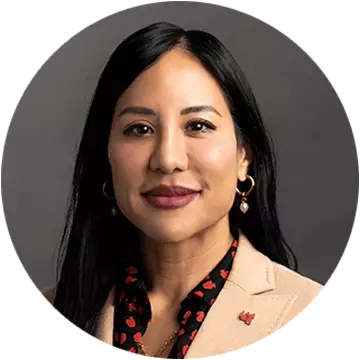
This article was reviewed by Raelene Brooks, Dean, College of Nursing.

Technology and remote work are constantly evolving. Advancing technology provides new opportunities in various fields, from sales to teaching to entrepreneurship. One field that has changed drastically with the increase in new technology is nursing. Telehealth nursing is an example.Ìý
What do telehealth nurses do?
Telehealth nurses are registered nurses (RN) who connect with patients through electronic means, such as videoconferencing, mobile apps, email and phone calls, from anywhere with an internet connection.ÌýFrom the daily tasks to the benefits, here are some things to consider about working in telehealth as an RN.
°Õ³ó±ðÌýfield of healthcare provides patients with opportunities to seek care for medical conditions from the comfort of their home. It can assist patients who have mobility impairments or other conditions that prevent them from regularly going to a hospital, healthcare provider’s office or outpatient clinic. It can also be a helpful resource to people who have a fear of or an aversion to going to a hospital and may not otherwise seek treatment.
Telehealth may be an attractive job for established registered nurses, as they can explore the world of remote work while continuing to help others and provide quality patient care.
Telehealth nurses may work remotely to assist patients. They are often the first point of contact for a patient, evaluate the severity of a patient’s condition and provide necessary information to a physician,Ìýnurse practitionerÌýor physician assistant. The daily tasks of a nurse working in telehealth may include:
- Conducting virtual visits: This can include messaging, emailing, texting, calling and videoconferencing.Ìý
- Arranging follow-up care: Sometimes patients need a follow-up appointment with their doctor or nurse. These nurses may be charged with arranging follow-up care as needed.Ìý
- Monitoring vitals: Patients with certain conditions or those who use telehealth services regularly may use handheld monitors and other devices that check the patient’s vitals. The nurse is responsible for recording the results and noting any differences.Ìý
- Communicating with healthcare staff: Telehealth nurses work closely with doctors to provide care for their patients. They may be responsible for supervising nurse aides as well. Ìý
Much like in-person nursing, duties of a nurse working remotely are focused on patient care. An RN already working in the field can transfer their current skill set into a virtual environment.
Who hires telehealth nurses?
Nurses working in telehealth are in a variety of healthcare settings. Hospitals or doctor’s offices can hire them. Some are hired to work for companies that exclusively offer virtual healthcare services for their patients.
Healthcare providers look for the same skills and qualifications needed for in-person nursing jobs. They also look for exceptional communication skills that will help the RN to succeed in providing care in a virtual environment.
Registered nurses interested in telehealth positions may wish to investigate whether their current employer offers a telehealth option and the possibility of shifting their work from in-person to remote.Ìý
How does an RN become a telehealth nurse?Ìý
To work in a telehealth position, one must first become a licensed RN. This requires a specific education and state licensure. According to the U.S. Bureau of Labor Statistics (BLS), registered nurses often follow . They either earn an Associate Degree in Nursing (ADN) or Associate of Science in Nursing (ASN); a bachelor’s degree in nursing (BSN); or graduate from an approved nursing program. Some employers may require nurses with an ASN or ADN to earn a BSN degree.
To become licensed to practice in their state, RNs must pass the National Council Licensure Examination-RN (NCLEX-RN®). To meet the requirements for a telenursing position, some employers may require multiple years of bedsideÌýexperience. After passing the NCLEX and obtaining state licensure as an RN, nurses can apply for positions where they can gain bedside knowledge of providing quality patient care.
Employers also may require additional certification, though there is no specifically required certification to work in telenursing. Practicing RNs may choose to obtain the Ambulatory Care Nursing Certification (RN-BC), offered by the American Nurses Credentialing Center and the American Academy of Ambulatory Care Nursing. This certification covers skills necessary in an ambulatory care setting, which can be helpful in telenursing.
What skills are important for a telehealth nurse?Ìý
Since the telenurse will be performing examinations remotely, it is important to have good listening skills to understand what patients are saying. Even though these nurses speak to patients through a computer or phone, they should help patients feel like they are being listened to and that their health problems are important. Ìý
Telehealth nurses also needÌýstrong communication skills to properly instruct patients on the next steps in their care. It’s important to have good people skills to judge the severity of issues, accurately describe symptoms and help people through the stress caused by health conditions.
Beyond listening and communication skills, critical and creative thinking skills are vital. It's important to be able to analyze data and propose effective solutions to health problems.Ìý
Benefits of working in telehealth Ìý
Just as telehealth expands access to healthcare for a variety of people, it also expands the availability of jobs since the work is performed remotely. A nurse working in telehealth can help patients while working from the comfort of their own home. This can be helpful for personal or health-related reasons, or if there is a shortage of in-person nursing positions in the area. Ìý
Furthermore, a virtual nursing job can be just as rewarding as a regular, face-to-face nursing job since it is helping people, interacting with patients and finding solutions to health issues. Everything that RNs love about nursing can be found in a remote nursing position. They can help people create better and healthier lives by providing aid in a virtual environment. Depending on the working environment, these nurses will also be able to develop relationships with long-term and regular patients throughout their career.Ìý
How much does a telehealth nurse make?ÌýÌý
As of May 2024, registered nurses in the United States earned an annual salary ranging , according to BLS. This amount can change subject to location, experience, job level and level of education.Ìý BLS also projects between 2024 and 2034.
Salary ranges are not specific to students or graduates of °®ÎÛ´«Ã½. Actual outcomes vary based on multiple factors, including prior work experience, geographic location and other factors specific to the individual. °®ÎÛ´«Ã½ does not guarantee employment, salary level or career advancement. BLS data is geographically based. Information for a specific state/city can be researched on the BLS website.
BLS Occupational Employment Projections, 2024-2034 is published by the U.S. Bureau of Labor Statistics. This data reflects BLS’ projections of national (not local) conditions. These data points are not specific to °®ÎÛ´«Ã½ students or graduates.
Beyond becoming a telehealth nurse, explore degree programs for RNs
°®ÎÛ´«Ã½ (UOPX) does not offer degrees or certificates that can specifically guarantee a telehealth nurse position. However, UOPX offers a few online nursing degrees for registered nurses who are looking to earn their degree while gaining valuable bedside experience:


ABOUT THE AUTHOR
A graduate of Johns Hopkins University and its Writing Seminars program and winner of the Stephen A. Dixon Literary Prize, Michael Feder brings an eye for detail and a passion for research to every article he writes. His academic and professional background includes experience in marketing, content development, script writing and SEO. Today, he works as a multimedia specialist at °®ÎÛ´«Ã½ where he covers a variety of topics ranging from healthcare to IT.
ABOUT THE REVIEWER
Dr. Raelene Brooks, dean of the College of Nursing, has been a registered nurse for more than 25 years and practiced extensively in the areas of ICU, trauma and critical care.ÌýHer publications include a focus on nursing education, critical care, and organizational wellness and engagement. She is a leader in creating, guiding and launching innovative curriculum.

This article has been vetted by °®ÎÛ´«Ã½'s editorial advisory committee.Ìý
Read more about our editorial process.